Parking Lot Cleaning Checklist for Retail Centers in Galveston, TX: Oil Spots, Gum, and High-Traffic Lanes
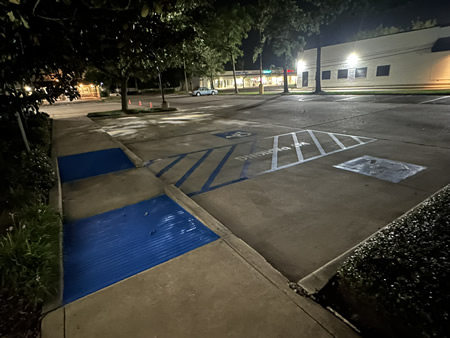
If you manage a retail center in Galveston, TX, your parking lot sets the tone before shoppers even see a storefront. Salt air, sudden showers, and heavy summer traffic grind oil, gum, and grit deep into concrete and asphalt. Use this simple, field-tested checklist to line up professional parking lot cleaning that protects safety and lifts storefront curb appeal. For a deeper dive into process and scope, see our parking lot cleaning service and compare it to your current plan.
When you want a quick reference or a place to start a maintenance conversation, bookmark Parking lot cleaning in Galveston, TX and share it with tenants or your facilities team. The steps below reflect how Pressure Pals plans safe, efficient work around busy storefronts on Seawall Boulevard, The Strand, 61st Street, and shopping corridors up toward the causeway.
What “Clean” Means for a Busy Retail Parking Lot
A clean lot is more than bright concrete. It is an organized, slip-resistant surface with clear lines and inviting walkways. That means:
- oil stain removal in drive lanes, stalls, and cart corrals
- gum removal near entrances, ATMs, and food pickup stalls
- even, streak-free cleaning that keeps stripes readable
- edges, curbs, and storefront pads free of buildup
In Galveston’s coastal climate, salt crystals and humidity glue dust to pavement. Add food spills and tire residue from weekend crowds and you get a film that dulls stripes and creates slick patches after rain. A planned cleaning cadence keeps that film from hardening and makes every visit faster and more effective.
Galveston-Specific Trouble Spots
Not every center wears dirt the same way. Watch these hot zones on the island:
- high-traffic lanes from the Seawall and causeway where vehicles idle and drip oil
- front-row and ADA stalls that collect gum, coffee, and sunscreen spills
- drive-thru lanes and curbside pickup with concentrated oil and rubber marks
- loading zones and dumpster corrals with grease, cardboard ink, and organics
Treat oil first, then surface clean. Degreaser pretreatments need dwell time to break bonds before a hot-water surface cleaner evens the finish. Skipping pretreat makes stains “ghost” back through.
Step-by-Step Checklist by Zone
Entry Drives and High-Traffic Lanes
These lanes carry the heaviest load and shape first impressions. Crews should pre-treat drip lines and turn pockets for oil, then work the main lanes with a large surface cleaner for a consistent finish. Edges, medians, and curb toes get a targeted pass to prevent dark outlines. If stripes look faded after cleaning, plan a follow-up with parking lot striping and painting so customers can navigate safely.
Front Row and ADA Stalls
Front stalls set the tone for storefront curb appeal. They also collect gum from quick stops. Hot water helps soften gum, and a focused rinse keeps spatter away from glass and doors. Schedule cleaning after closing or before opening to avoid traffic conflicts. Cones and a rolling closure pattern let customers park while cleaning continues down the row.
Sidewalks, Storefronts, and Cart Corrals
Sidewalk pads show spills and footprints fast. Near grocers and restaurants, pre-treat organics and grease shadows at entrances and under cart wheels. Crews should work away from glass, rinse low first, and finish with a wide fan so sediment does not splash windows or signage. Gum removal happens first so the final surface clean looks even.
Loading Zones and Dumpster Corrals
These areas need the most chemistry and containment. Oils, sauces, and cardboard inks stain porous concrete. Pre-treat, agitate heavy spots, and rinse to containment mats or recovery equipment. Keep wash water contained and collected. It is both good housekeeping and a smart way to avoid tracking grime back into clean lanes.
Oil Stain Removal That Respects Your Pavement
Oil and hydraulic leaks can etch into concrete and leave shadows if ignored. The pro approach follows a calm, predictable order: identify the stain, apply the right degreaser, allow adequate dwell time, agitate where needed, then recover and clean the area with hot water. Over-cleaning one spot at high pressure can scar the surface or lighten a circle that looks worse than the stain. A controlled, blended pass preserves texture and color uniformity so stripes remain sharp.
On asphalt, the goal shifts from blasting to lifting. Too much pressure can ravel the surface. A measured pretreat and gentle rinse help release oil without loosening aggregate. If stains are deep or recurring, coordinate cleaning with planned sealcoat or re-striping windows so surfaces cure clean and markings pop.
Gum Removal Without Sticky Residue
Chewing gum nests around store entrances, quick-serve windows, and crosswalks. Heat softens, chemistry loosens, and a careful nozzle angle lifts the blob without exploding it into tiny spots. Use hot water and the right detergents for gum. Cold water alone often smears and leaves a faint ring. Removing gum first lets the final surface pass create a uniform finish from door to drive lane.
Make Stripes Count: Visibility After Cleaning
Fresh cleaning can reveal how faded lines truly are. If arrows, stop bars, or ADA hatching look thin, your lot likely needs attention. Before heavy holiday traffic, scan the property for weak markings and note where night visibility drops under store lights. For a quick self-check, stand at the main entrance at dusk and see if arrows and crosswalks guide drivers. If you are unsure whether to repaint now or later, this short read helps you decide: top signs your parking lot needs re-striping.
How Often Should Retail Centers in Galveston Schedule Cleaning?
Frequency depends on traffic and microclimate. Locations facing the Gulf or near the Seawall catch more salt film and need shorter intervals. Inland sites near the causeway can often stretch the cycle. Use this simple rhythm as a starting point and adjust with your traffic counts and tenant mix:
Rule of thumb: high-traffic retail lanes monthly in peak season, main stalls every 6–8 weeks, sidewalks and entrances monthly or after large events. Low-traffic centers can push drive lanes to quarterly if oil is controlled and cart corrals stay tidy.
Local tip: Plan a full-lot clean right after spring pollen fades and again before late-summer tourist peaks. Nights with lighter winds help keep mist down in coastal air, so surfaces dry more evenly by opening time.
Quick Pre-Clean Walkthrough You Can Do With Your Crew
You do not need to measure every square foot to plan a smart visit. A 10-minute walkthrough with tenants and your cleaning partner sets up a smooth night’s work:
- mark heavy oil spots in lanes and near long-term parking stalls
- circle gum clusters at doors, ATMs, and food pickup zones
- note slick areas after rain, especially shaded stretches by landscaping
- confirm safe access windows for anchor tenants and restaurants
- flag any loose curb paint or trip hazards to address after cleaning
If you discover fading marks or confusing arrows, pencil in a quick follow-up with parking lot striping and painting so customers land in the right place the first time.
Seasonal Considerations For Galveston, TX
Spring brings oak pollen that sticks to film. Summer crowds add rubber and drink spills. In fall, tropical systems can throw grit and salt spray onto exposed lots. Winter fronts leave dust and sand along curb lines. Time cleaning after messy weather windows and before big retail weekends. Where a center faces onshore winds, plan slightly more frequent service for the windward rows and entrances.
Communication Makes Cleaning Safer and Faster
Retail centers live on timing. Share a simple schedule with tenants a few days before service and place advance signage at entry drives the morning of. Staggered closures by row keep stores open while the crew moves. Ask staff to bring in sidewalk signs and planter barrels for a cleaner pass and faster reset. Post-clean, walk the site with your partner to confirm oil removal, gum hot spots, and any areas that may benefit from re-striping.
Why Work With Pressure Pals
Galveston’s mix of salt, sand, and foot traffic calls for a steady hand and the right gear. Our team plans work in zones, treats stains before cleaning the field, and protects entrances, glass, and greenery. We adjust process for concrete versus asphalt and coordinate around tenant hours to limit disruption. If you are building an annual plan, we help map cleaning to your busiest seasons so the lot looks its best when it matters most.
The Retail Center Parking Lot Cleaning Checklist
Use this to align your next service visit:
- pre-spray and dwell on oil drip lines, turn pockets, and drive-thru lanes
- hot-water gum removal at entrances, crosswalks, and curbside pickup stalls
- large surface cleaner for main lanes and stalls; detailed edging at curbs
- storefront pads and sidewalks cleaned away from glass; even, low-angle rinse
- loading zones and dumpster corrals: pretreat, agitate, recover rinse water
- final rinse from storefronts out to lanes so footprints do not track back
- post-clean review of stripe visibility and safety markings
If your team needs a template to schedule and track results, share this article and your scope with our parking lot cleaning service so the first visit checks every box.
Ready to Protect Storefront Curb Appeal?
Your lot is the welcome mat for every tenant. Pair smart stain treatment with even cleaning and clear lines, and you will notice smoother traffic and better photos for leasing and promotions. To set a maintenance rhythm that fits your center, talk with Pressure Pals at 409-599-1198 or plan your next parking lot cleaning for your Galveston retail center today.
Don’t Wait for the Elements to Take Their Toll. Contact Our Galveston Pressure Washing Specialists Today!